10 Common Mistakes NOT to Make in Spanish
 I have noticed that beginners of Spanish often make the same kinds of mistakes. If you learn about these easy to make blunders from the beginning you will be more likely to avoid making them yourself.
Spanish is a different type of language to English therefore the grammatical structure and phrases are often very different to how we say things in English. Learners of Spanish often want to transfer something in English directly into Spanish, however this does not always work!
In this blog post we will point out the most common mistakes to avoid as a beginner of the Spanish language: Continue reading
5 Common Spanish Phrases Using “Pasar”
Last week we looked at some common uses of the Spanish verb “Pasar”.
- to happen
- relating to a place
- to spend time
- change of state or condition
- to pass something to someone
- adapting to a situation
However, this is only scratching the surface of the many uses scattered throughout the Spanish language. In this week’s blog post we will look at some further uses of this verb that Spanish people use in their every day lives. Continue reading
10 Ways to Enjoy Learning Spanish As An Adult
 Many people think that learning a foreign language is best done as a child or when you are younger when your mind is more receptive to picking up new words and your memory is better. However, is this really true? Investigations have shown that adults do actually learn languages better than children.
Yes children pick up words quickly but with languages they are also easily forgotten if not used regularly and this is the case at any age!
In fact there are many advantages to learning a language as an adult which we will discuss in this blog post. Not only that, we will also give you tips as to how to enjoy learning a language later in life. Continue reading
Review of “Essential Holiday Spanish”
 This is a review of the self-study online course “Essential Holiday Spanish” for beginners to learn the basics to survive on holiday by using simple Spanish.
What to expect from this course:
– Learn by listening to REAL dialogues with a native speaker
– Learn basic Spanish phrases to talk to locals
– Reinforce what you have learnt with easy, fun exercises
– Practise your speaking with pronunciation tutorials
What is covered in the course?
The topics covered deal with all the common touristy situations you will find yourself in on holidays: Continue reading
7 Creative Spanish Writing Practice Ideas
 Many people think that writing in Spanish is too difficult and they will never get the hang of it. This is a complete myth. If you start small and build on that regularly then over time you will find that you find it easy.
People do not realise that being able to write in Spanish is a crucial part of improving your Spanish.
It teaches you to put into practice what you have learnt. It helps you try out your own sentences and helps you become fluent and eventually able to say whatever you want in Spanish.
In this blog post we will look at some creative ways that you can get good writing practice in Spanish.
Tackle the new dictation part of the GCSE Spanish listening exam with ease
 For the first time this year the Spanish GCSE listening exam will feature a dictation section whereby students listen to a recording in Spanish and have to write down what they hear. This tests students’ ability to accurately transcribe spoken Spanish.
In this blog post we will look at how to prepare for this part of the listening exam to make sure you achieve the best marks. Continue reading
Easter GCSE Spanish Revision Lessons
 The Easter holidays are a busy time for GCSE Students in Year 11 who will soon be starting their exams.
In addition to the written exams which start in May, language students will have the speaking exam before in April or early May. This is why we offer intensive revision lessons over the school Easter holidays. These can be tailored to whichever exam board the student is following. In this post we will give you an insight into what you will gain from these sessions. Continue reading
How to Excel in the New “Read Aloud” Section of the GCSE Spanish Speaking Exam
 The Spanish speaking exam has changed this year. For the first time it features a new “read aloud” section whereby students have to read out a text in Spanish. The text will be a minimum of 35 words at the foundation tier and 50 words at the higher tier. In this blog post we will look at what to expect in this new part of the speaking exam, how to prepare for it and offer some tips to help you perfect your pronunciation and to achieve the highest marks. Continue reading
10 Simple Tricks to Learn Spanish Fast
 Learning a language can be challenging. Not only the actual study itself but for most people it can be difficult to find the time to fit it into your already busy lifestyle and also sticking to this and staying motivated to continue learning.
In this blog post we will look at tried and tested ways that you can easily fit language learning into your daily life and keep learning fun and simple. Continue reading
How to Make Comparisons in Spanish
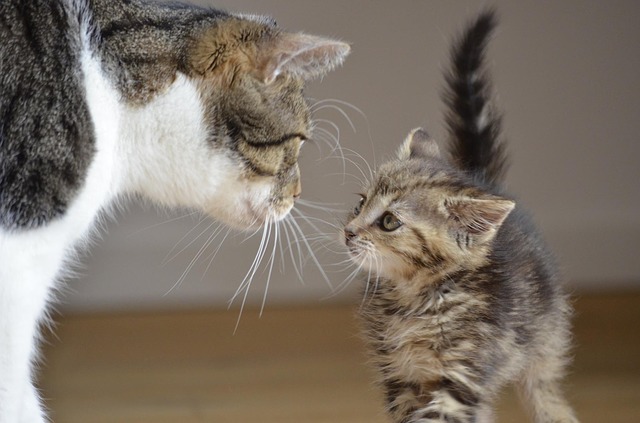 When you are learning Spanish one of the things that you will want to learn is how to compare things. Even if you don’t like judging things or people, in everyday life you often need to compare things to make simple decisions.
For example, you may be discussing with friends which bar you want to go to, which meal you want to order or suggest to someone else to order.
Here are the rules to make comparisons in Spanish: Continue reading
Follow Us


