Beginners French
 A warning – do not translate literally!

When first beginning to learn French, many people fall into the trap of thinking in English and trying to translate word-for-word from English to French. Unfortunately, they soon find that this approach will not work because the French say things in a different way to us, often using a different word order or expression, so that a literal translation may well be incorrect in French.
Here are some examples: Continue reading
Beginners French – When to use “tu” or “vous”
 One of the difficulties you will face when you’re learning French is the two different ways of saying “you”.
In modern, standard English, there is only one form. Whether you’re talking to one person or a group of people, to a VIP or a child, the word is “you”. In French, it is different: there are two words for “you”, tu or vous.
Here is an explanation of when to use each: Continue reading
Beginners French – The Idea of Gender

One of the first challenges facing English-speaking learners of French is the concept that all French nouns, whether referring to living beings or not, are either “masculine” or “feminine” in gender. These terms are grammatical ones and are not equivalent to the terms “male” and “female”, although the ideas may overlap in certain cases, such as un homme – a man, is masculine and une femme – a woman, is feminine. With the vast majority of nouns the masculine or feminine gender either has no connection with sex, or, in the case of inanimate objects, it is applied to nouns which cannot be considered as male or female, such as un stylo – a pen and une chaise – a chair.
How, therefore, do we tackle the problem of learning and remembering which gender a noun happens to be? Here are a few tips: Continue reading
Breakfast in Spain
 Desayuno en España
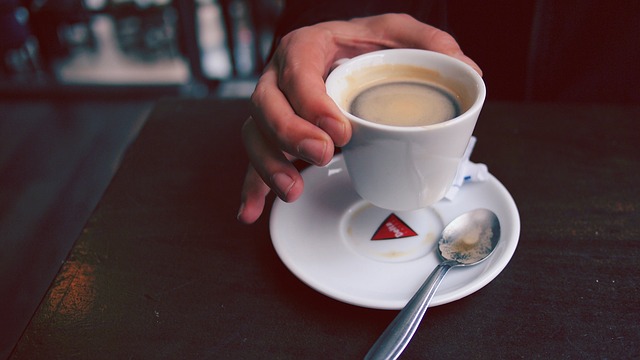
In Spain breakfast (desayuno) is almost the most important meal of the day and they do not hurry over it! Coffee is perhaps the most important part of it. You will find though that their coffee is much smaller than in the UK with the “cortado” (small cup of coffee with a drop of milk) being the most typical. Typical foods include galletas (biscuits), tortilla (potato omelette) and pan tostado (toast).
Here are the most traditional foods and drinks you will find in Spain for breakfast: Continue reading
Follow Us