Learn Spanish By Watching The News – Top News Resources

The best way to learn Spanish successfully is to combine it with things you enjoy doing;
• listening to music
• keeping up with current affairs / the news
• sports
• eating out / cooking
• reading
In this post we will look at the best resources to keep up-to-date with the news in Spanish, something that you can easily incorporate into your daily routine even if you lead a busy life. This is the key to learning a language successfully – little and often. Learning Spanish through following the news is a great way to learn useful, everyday vocabulary.
Continue reading
Tips and Tricks for Learning a New Language
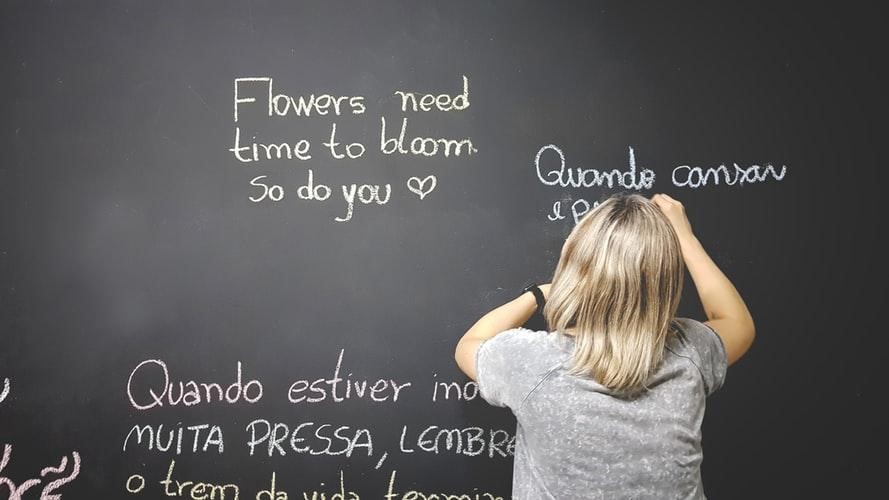 About 43% of people around the globe speak two languages. There are many benefits to learning a foreign language. For example:
● It can improve your memory
● It boosts brainpower
● Increases the capacity of your mind in other areas
● Can improve your native language, as well
People have different motivations for learning a new language, which we’ll talk about later, but no matter your reason, it’s not always an easy feat. Learning a new language is hard and can often feel overwhelming, especially if it seems so different from your native tongue.
But, there are different tips and tricks you can use to make the process easier on yourself. It’s important to keep in mind that learning a new language is a lot like learning to communicate all over again. You probably don’t remember learning how to talk as a child, but the steps are similar. You’ll learn in a variety of different ways, including picture-based learning, conversing with others, and practice and repetition.
So, how can you make learning a new language less frustrating and even a little easier?
Beginner’s Guide: Days of the week in Spanish
 One of the first things that beginners need to learn are the days of the week. They are useful for understanding the days that shops, restaurants and museums are open and closed. They are useful to make arrangements to meet up with friends, colleagues or relatives and days often come up in general conversation. They are therefore an essential part of any beginner learner’s vocabulary.
The days of the week in Spanish are:
lunes – Monday
martes – Tuesday
miércoles – Wednesday
jueves – Thursday
viernes – Friday
sábado – Saturday
domingo – Sunday Continue reading
Review of Lingopie – Learn a Language By Watching TV – 70% off for a limited time!
 The best way to learn a language is by finding a way to study that you enjoy. Most people enjoy watching television and films anyway so why not combine this activity with studying your target language?
Lingopie does just this – it is an app that combines watching TV with learning a language. In this blog post we will look at how you can learn a language by watching TV and also how Lingopie * works. Continue reading
Tackle the new dictation part of the GCSE Spanish listening exam with ease
 For the first time this year the Spanish GCSE listening exam will feature a dictation section whereby students listen to a recording in Spanish and have to write down what they hear. This tests students’ ability to accurately transcribe spoken Spanish.
In this blog post we will look at how to prepare for this part of the listening exam to make sure you achieve the best marks. Continue reading
How to Achieve a Top Mark in the Spanish GCSE Speaking Exam
 The Spanish speaking exam at GCSE is quite a big deal. It contributes 25% towards the final grade and is always the first of the exams you do, normally in April so you need to be prepared for this one first. It is also the most nerve-racking of all the exams you do because you are ‘on the spot’ sitting in front of your teacher being recorded. There is less time to think because you have to respond then and there.
The good thing is, if you learn the right techniques to tackle this exam and prepare for this exam in the right way you will arrive at the exam calm and confident and therefore put yourself in the best possible position to get the best mark you can. Continue reading
Review of Online Course “Essential Holiday Spanish”
 This course aims to teach beginners of Spanish the key words and phrases to survive easily on holiday in any Spanish-speaking country.
You will learn how to greet the locals, take a taxi, check in at the hotel, order food and drinks, ask for directions, go shopping and deal with emergency situations.
The course is based on authentic dialogues between a native speaker and a tourist.
Here is a review from someone who recently downloaded the course: Continue reading
How to Learn to Speak Spanish by Watching Spanish TV Channels
 If you’re trying to learn Spanish, pronunciation is probably the biggest problem you have. Like every other foreign-language speaker, you don’t have much chance to practice the language unless you visit the country where people speak it natively. If you don’t have that chance, the communication in Spanish is limited to your instructor and classmates. If you’re taking online classes, you’re deprived from that aspect of learning, too.
So how can you learn how to speak Spanish? Skype is one effective tool we can think of. You can connect with native speakers via Facebook and other social media, and start chatting via Skype. Sure; that’s a nice strategy. But what if you’re still not ready to chat with a native? Is there a way to learn how to speak Spanish before taking that extra step? Of course there is!
Today, we’ll talk about learning Spanish by watching Spanish TV channels. You’ll hear the natives speak, and you can freely repeat after them. Don’t worry; you won’t look silly. Continue reading
10 Simple Tricks to Learn Spanish Fast
 Learning a language can be challenging. Not only the actual study itself but for most people it can be difficult to find the time to fit it into your already busy lifestyle and also sticking to this and staying motivated to continue learning.
In this blog post we will look at tried and tested ways that you can easily fit language learning into your daily life and keep learning fun and simple. Continue reading
How to Set and Stick to a New Year Resolution to Learn a New Language
 A survey by the British Council reveals that more than a quarter (26%) of UK adults regret never learning another language fluently. One in four want to speak Spanish and would consider making language learning a New Year’s Resolution.
People often set up New Year’s Resolutions that are too difficult to achieve which is why they often lose interest and fail by February. In this blog post we will give you some tips of ways to make your New Year’s Resolution to learn a new language successful. Continue reading
Follow Us


