Motivational Tips for Mandarin beginners
 CHINESE and MANDARIN are becoming popular languages for people all over world to learn these days.
The most common question that beginners of these languages have, is “How can I learn Mandarin quickly and easily?”
Remember Rome wasn’t built in a day. Learning any language takes patience, persistence, time and creating smart learning strategies to suit your style of learning.
Here are some useful tips for beginners: Continue reading
6 tips to keep Mandarin learners motivated!
 With over one billion Mandarin speakers in the world today, Mandarin is an important and popular language to learn in the UK today in order to stay connected with the outside world, especially with Brexit looming. But as is well-known, Mandarin is one of the more difficult languages to learn. Most people spend a lot of time on it just to learn a little bit, that is why people often give it up. Here are some tips to help you make learning Mandarin easier. Hopefully they will help you stay motivated. Continue reading
Chinese New Year!
 The biggest Chinese Festival, Chinese New Year is upon us! This year is the year of the Rooster, the tenth animal in the zodiac. The celebrations begin the night of the 27th January which is called SAN SHI and they last until February 15th. The night of the 27th January is the time when Chinese people have a big meal with the whole family. At midnight Chinese families eat dumplings as well see off the last day of the year and welcome the first day (28th of January) of the new Chinese year. This the happiest time for all Chinese people all over the world.
Here are some key words in Mandarin relating to the festival: Continue reading
Mandarin Christmas phrases
 With Christmas almost here, maybe those people who are learning Chinese would like to learn a few Christmas-related words? Here are some seasonal greetings and festive words in Mandarin:
- 圣诞节 sheng dan jie: Christmas
- 圣诞快乐 sheng dan kuai le: Merry Christmas
- 圣诞老人 sheng dan lao ren: Father Christmas
- 驯鹿 xun lu: reindeer
- 雪橇 xue qiao: sleigh
- 烟囱 yan cong: chimney
- 圣诞树 sheng dan shu: Christmas tree
- 圣诞袜 sheng dan wa: Christmas stockings
- 圣诞礼物 sheng dan li wu: Christmas presents
- 烤火鸡 kao huo ji: roast turkey
- 圣诞布丁 sheng dan bu ding: Christmas pudding
- 平安夜 ping an ye: Christmas Eve
- 圣诞日 sheng dan ri: Christmas Day
- 狂欢日 kuang huan ri: Boxing Day
- 新年快乐 xin nian kuai le: Happy New Year!
10 Must-know phrases for a trip to China!
 A trip to China seems more and more easy to make these days, however for some people the language barrier puts them off. It is not that difficult to learn just a few important words and phrases to get by. Master some key phrases and you will get much more out of your time in China.
Here are 10 useful phrases to start you off:
数( shu ) 字( zi ) Numbers:
 1). The key numbers are from 0 to 10.
0 ( 零 ) ling: zero
1 ( 一 ) yi: one
2 ( 二 ) er: two
3 ( 三 ) san: three
4 ( 四 ) si: four
5( 五 ) wu: five
6 ( 六 ) liu: six
7 ( 七 ) qi: seven
8 ( 八 ) ba: eight
9 ( 九 ) jiu: nine
10 ( 十 ) shi: ten Continue reading
Greetings in Mandarin
 Greetings can help you strike up conversation with anyone and Chinese people will really appreciate your efforts to speak in their language. The following basic Mandarin greetings are very useful to know.
1. 你 ( ni ) 好 ( hao )
Hello
2. 早 ( zao ) 上 ( shang ) 好 ( hao )
Good morning
3. 下 ( xia ) 午( wu ) 好 ( hao )
Good afternoon
4. 晚 ( wan )上( shang ) 好 ( hao )
Good evening Continue reading
Tips for Mandarin Beginners (Part 4)
 Tip 4: Writing
Writing is the formal way of transferring information. We use writing to record important things, such as producing poetry, literature, writing novels, magazines and newspapers. Here are some ways as to how you can improve your writing skills in Mandarin Chinese: Continue reading
Tips for Mandarin Beginners (Part III)
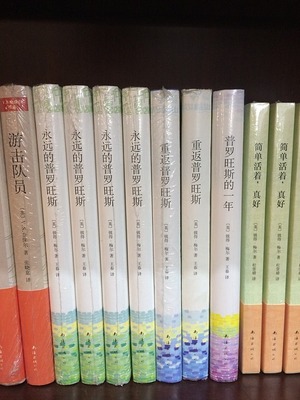 Tip 3: Reading
Reading is another way to absorb information, reading is more formal than spoken language. Which is why you need a higher level of understanding of the language with written words, phrases and idioms. The easiest way to remember these is to set up a collection note book and keep the words in different categories, for example, adjectives, adverbs, verbs, nouns and so on. Keep topping up your collection with new higher level words every few days, finally you will have created your own useful word collection. Continue reading
Tips for Mandarin Beginners (Part II)
 Speaking
Speaking is the main aim when learning a new language. 80% of information is transferred through speaking. There are a certain number of words, phrases and idioms that you need to learn to get by when speaking a language. You do not need to know every word in a language to communicate effectively. Read on for some ideas to help your speaking:
Practical Tips:
Follow Us


