The Future of Dialect – Are Mother Tongues Dying Out?
 Merging accents
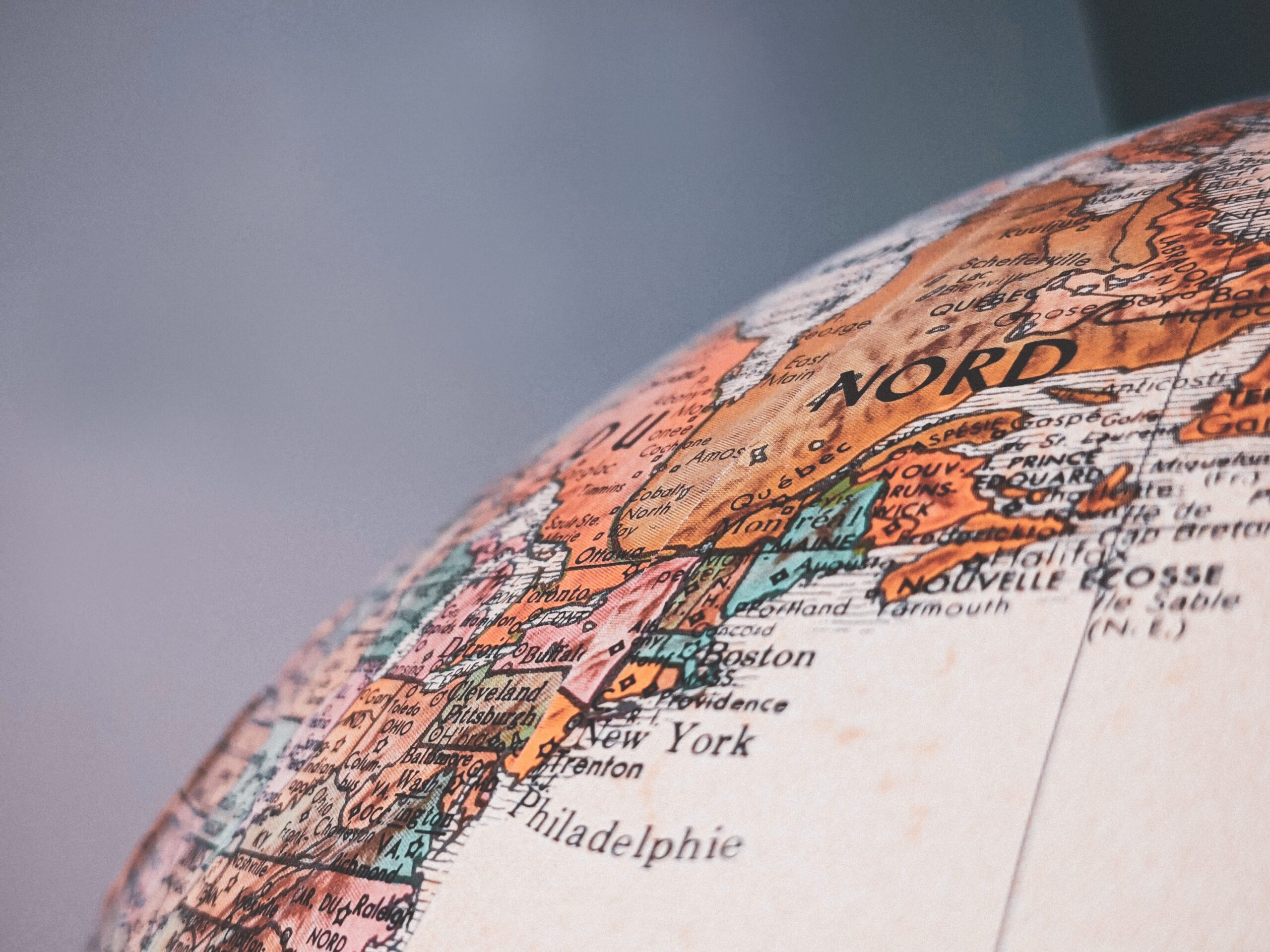
Dialects are becoming increasingly intertwined as the world continues to globalise. We are more exposed to a wide range of languages, cultures, and dialects than ever before thanks to media and travel. As a result, many people have adopted phrases or words from different areas into their own speech patterns, resulting in previously unseen accent blending. Although this may not appear to be a problem and may be viewed as an incentive to learn more about the history of dialects, blending different accents into a single dialect is becoming increasingly problematic in the modern world. As more people move and migrate to places where they do not speak the local language, they are unable to communicate effectively with the citizens of their host country. As a result, a phenomenon known as merging accents has appeared, in which people blend two or more distinct accent influences.
This phenomenon has been observed in both spoken and written languages, and it’s become increasingly common in recent times due to globalisation and increased migration.
In the UK there has been a merging of British accents due to immigration from former British colonies such as India or Pakistan. In some cases, this has resulted in new hybrid dialects which incorporate elements of both regional accents, allowing for mutual understanding between speakers of different backgrounds. This process is known as ‘code-switching’ where individuals switch between varieties of their mother tongue depending on whom they are speaking to or the context they find themselves in at any given time.
Technology and communication
At the same time, technology has had a huge impact on how we communicate. The rise of text-based communication such as texting and social media has made it easier than ever before for people to communicate across geographical borders without worrying about accent or pronunciation difference. This has caused people all over the world to become more comfortable speaking with “standardised” language rather than their native dialects, leading to less regional variation in accents.
Moreover, technology has also changed the way different languages interact with each other. Increasingly more people are learning foreign languages through online classes or apps such as Duolingo and Rosetta Stone, leading to a greater mixing of linguistic influences from different cultures around the world. This increased global exchange of language has led to more instances of code-switching – where speakers switch back and forth between two languages within the same sentence – and “accent neutralisation” – where speakers attempt to sound less regional by avoiding certain regional pronunciations or word choices.
All these factors combined have resulted in a decrease in regional accents over time. Unfortunately, this means that some traditional cultures’ way of speaking may soon be lost forever; something that could have significant implications for future generations. The loss of these dialects is especially concerning for indigenous peoples whose use of certain terms and pronunciations could easily be forgotten if not actively maintained over time.
Preserving history
There is no better way to preserve history than to preserve dialects and regional accents. Dialects and regional accents can reveal a lot about the people who once spoke them and the cultures they came from. By preserving dialects and regional accents, we can preserve our cultural identity for future generations as well as ourselves.
Preserving these dialects is important because they enable us to connect with our past in an intimate way—one that cannot be achieved through books or videos alone. By maintaining regional accents, we can keep our cultural identities intact while also providing future generations with a valuable connection to their ancestors. Additionally, by understanding different dialects we gain insight into each culture’s social structure as well as into its unwritten history—which often give an unspoken truth about a culture’s values or beliefs that cannot be found anywhere else! Specific accents and dialects can trigger a sense of nostalgia into those who may have lost touch with their roots and encourages them to remember the importance of holding onto those memories.
The demise of mother tongues is an unfortunate and pressing reality that affects many communities worldwide. Language loss has been ongoing for centuries, but its effects have become more prominent in recent decades as globalisation expands and disturbs traditional cultures. This phenomenon is particularly noticeable in underdeveloped countries, where languages are regularly considered as inferior to international languages.
In order to prevent further losses, governments must implement policies that promote mother tongue usage in schools and other public institutions. Additionally, parents should make efforts to raise their children bilingual by speaking both their native language and international ones at home so that they have access to both worlds. Cultural organisations should also take initiatives to document indigenous languages before they become extinct so that future generations have some way of knowing what was once spoken in their communities before them.
Author Bio
Lily Meyers is a creative copywriter with a passion for travelling. When she’s not out and about finding her next destination, you can find her typing away her next angle at her desk.
Follow Us


