How to Use Negative Words in Spanish
 Negative words in Spanish do not work in the same way as in English. If you try to translate a negative sentence from Spanish directly into English it will not sound right.
For example, in English we do not use double negatives whereas in Spanish they do.
e.g. No tiene nada que hacer. – Literal translation: He doesn’t have nothing to do.
(This is incorrect English and anyway, this would mean that he does have something to do, so is not negative.)
You will also find that you do not hear plural nouns used in negative sentences. You always use the noun in the singular form.
e.g. No hay problema. – There are no problems.
In this blog post we will teach you everything you need to be able to make up your own negative sentences. Continue reading
Funny mistakes you don’t want to make in Spanish!
 When you learn a new language it is obvious you are going to be making a few mistakes to begin with. The best way to not get disheartened is to embrace your mistakes, laugh at them and make sure you don’t make them again!
In this blog post I will go through some of the most common mistakes that beginners make that can cause a few laughs. Continue reading
Top tips & useful resources for reading in a foreign language
 Being able to read in a foreign language is a great achievement and something which most people enjoy.
It is an activity that you can fit into your busy schedule whether you have 10 minutes to spare, half an hour or a 3-hour train journey!
Apart from books here we will look at many more useful foreign language reading resources available today. Continue reading
6 Reasons why private language tuition is worth the investment
 Last academic year 2018-2019 we were so pleased to have a record year of results for the students that we tutored in foreign languages. All students achieved levels 8 or 9 at GCSE with one achieving nearly 100% on her papers and another receiving the award at the presentation for best attainment in Spanish.
September is a busy time when students go back to school and especially those in GCSE and A-level year groups start to panic about the exams in the summer. Often parents want to help their children by booking private tutoring sessions to help them prepare in time and to reduce the stress nearer exam time.
Private language tuition is a particularly good idea due to the reasons we will go through in today’s blog post: Continue reading
When Do You Need to Use Subject Pronouns in Spanish
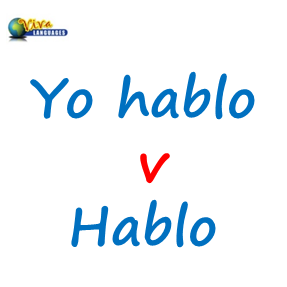 When should you use “yo”, “tú”, “él”, “ella” in front of verbs in Spanish?
What are Subject Pronouns?
The subject pronouns in Spanish are:
yo – I
tú – you
él / ella – he / she
usted – you (formal)
nosotros / nosotras – we
vosotros / vosotras – you (plural)
ellos / ellas – they
ustedes – you (formal, plural)
For people just starting to learn Spanish they often want to keep using these every time they say a verb, however this is often unnecessary as the ending of the verb tells you the subject of the verb. In this blog post, we will tell you when you should include the subject pronoun and when you shouldn’t. Continue reading
11 Spanish words that cannot be translated into English easily
 When learning another language you often come across a word that is difficult to translate since it has no direct equivalent in English. Here are some of those tricky words you may come across in the Spanish language:
1. Sobremesa
It is well-known that the Spanish take a lot longer with their mealtimes than the English, mainly due to the fact that they sit around afterwards just chatting. Sobremesa is the chatting that takes place after a meal.
e.g. Pude seguir con la sobremesa porque no tuve que trabajar por la tarde.
I was able to continue chatting after dinner because I didn’t have to work in the afternoon.
Continue reading
How to write a polite email or letter in perfect Spanish
 You never know when you may need to write a formal letter to a company in Spain, whether looking for work or linked with a holiday booking, car hire issue and so forth. It is always good to try to write a few phrases in Spanish to show you are making an effort. It may help you get a job, land a promotion or just help to practise and extend the Spanish you already know.
Here are some key phrases to help you write a polite email or letter: Continue reading
Get more out of listening by NOT slowing it down!

“I Stopped Listening To Slow Audio … So Should You!” – (Here’s Why)
Listening is the most difficult skill
Listening is probably the most important skill to master when learning a foreign language. If you cannot understand what someone is saying then you won’t be able to answer them, have a conversation or know what’s going on. Continue reading
Saber vs Conocer
 Both the verbs “saber” and “conocer” in Spanish mean “to know”, however they are not interchangeable and you can only use each one in certain contexts. Here we will look at when you should use each one.
Saber
1) Use saber to express that you know a fact or some information. Continue reading
How to Make Comparisons in Spanish
 When you are learning Spanish one of the things that you will want to learn is how to compare things. Even if you don’t like judging things or people, in everyday life you often need to compare things to make simple decisions.
For example, you may be discussing with friends which bar you want to go to, which meal you want to order or suggest to someone else to order.
Here are the rules to make comparisons in Spanish: Continue reading
Follow Us


