How long does it take to become fluent in Spanish?
 I am often asked this by new learners and it is always very difficult to answer as it varies person to person and also depends on many different factors. For some people it may take a few months, for others one to three years or even five years or more for some people. This article looks at ways to become fluent more quickly in Spanish or any language for that matter: Continue reading
Useful Linking Words and Phrases in Spanish
Just by adding in a few linking words and phrases when you are speaking in Spanish makes you sound much more native-like and it also gives you time to think! You hear these kinds of words and expressions all the time in Spain so it is worth remembering them: Continue reading
Native v Non-native tutors: Pros & Cons
 At Viva Language Services we have both native and non-native language tutors available. Some people prefer to learn with a native tutor whereas other learners prefer to have lessons with a non-native tutor. It all depends on your learning objectives and how you, as an individual, learn best. Here are some tips on what you will gain from learning with either a native and non-native language tutor: Continue reading
Question words in Spanish
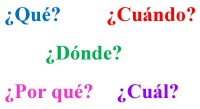 People often confuse the question words in Spanish, so here is a quick reminder of the most important ones to remember. Don’t forget that in Spanish they also include an upside down question mark at the beginning of the question – ¿ – and all question words have an accent.
How is Halloween celebrated in Spain? (El Día de las Brujas / La Noche de los Muertos)
 Any excuse for a fiesta in Spain, and Halloween is by no means an exception. After spending an unforgettable weekend in Madrid during the Halloween celebrations a few years ago here is my account of how Halloween is celebrated in Spain. Continue reading
The differences between Argentinian Spanish and Castilian Spanish
 When I went to Buenos Aires, Argentina I noticed that there were quite a few differences between Castilian Spanish spoken in Spain and the Spanish spoken in Argentina. This involved the accent and pronunciation as well as the grammar and certain words and phrases. The different accent took a bit of getting used to. Although the “porteños” understood my “Spanish” accent (from Spain), the difficulty arose in my understanding of them. Read on to discover the differences to watch out for. Continue reading
My trip to Buenos Aires: March-May 2011

- 17-lane Avenida 9 de Julio, Centre of Buenos Aires
After throwing myself into my business of teaching Spanish for 2 years and helping many people prepare to move or travel abroad, I decided it was time to take a break, do some travelling and practise the language I love. I chose to visit Buenos Aires, Argentina as I had always wanted to travel to South America and it sounded a fantastic city to visit! Here is my account of what to expect from a trip to Argentina.
¿Bien o Bueno?
I am often asked this question by learners, so read on for my explanation to make it simple: Continue reading
Interesting Spanish: Compound Words (2 words in 1)
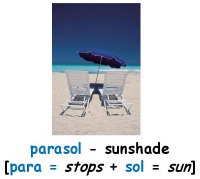 Compound words, “palabras compuestas” are two separate words joined together to create a single word.
For example: parasol (sunshade) is formed from: para (it stops) + sol (sun) [it stops sun]
Often they are created for humour and many do not survive over time.
Here is a list of the most interesting and commonly used in Spanish today: Continue reading
The benefits of learning a language with a private tutor
 Why invest in a private language tutor when there are so many self-learning products available or you can enrol on a college course?
Read on and you will discover the beauty of private tuition and how it will help you achieve your dream of speaking another language sooner than you think!
Follow Us


