How Cultural Activities Boost Language Skills in Young Learners
 Learning a new language involves more than just memorising vocabulary and grammar rules. For young learners especially, cultural immersion creates meaningful connections that support language acquisition naturally. When children engage with music, art, storytelling and traditions from other cultures, they develop linguistic skills in a way that feels enjoyable and engaging.
When children participate in cultural activities such as singing songs in another language or joining a cooking class, they use multiple senses and reinforce learning through experience. For example, singing a song in Spanish or making a French recipe exposes learners to new vocabulary within a hands-on context. Connecting words and expressions with actions helps make information easier to remember and use later.
Language programmes with cultural elements encourage regular use of new vocabulary within real activities. Children practise language as they complete tasks or participate in events, gaining comfort speaking, listening, and understanding in authentic settings. When lessons incorporate culture, students encounter situations that mirror real communication. Continue reading
Creative Classroom Themes to Inspire Language Learning
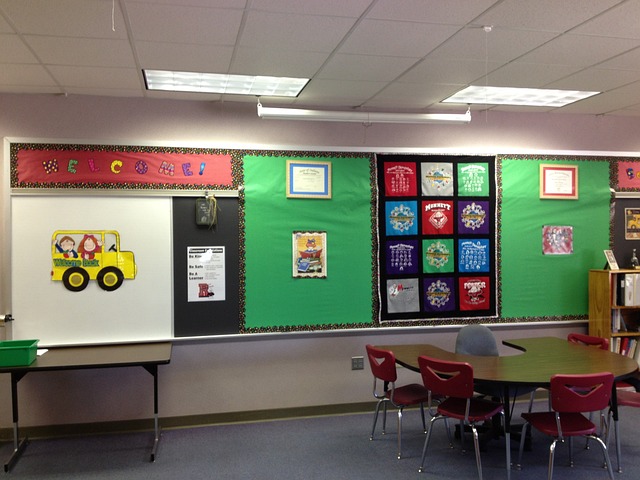 Creating an engaging and inspiring classroom environment can significantly impact students’ language learning. By integrating creative themes, teachers can foster a more dynamic and enjoyable learning experience. This article explores various classroom themes designed to enhance language learning and spark students’ interest. Continue reading
Top Resource Management Tips For Language Learners
 Learning a new language is an exciting adventure, filled with challenges and opportunities. Managing your resources effectively is key to make the most of this experience. Whether you’re a beginner or advancing in proficiency, the right tools can make a substantial difference in your progress. From well-organised notes to the strategic use of learning materials, every aspect plays a vital role in enhancing your language acquisition.
Your success in language learning largely depends on how well you can organise and utilise various resources. This includes a blend of physical books, digital documents, and interactive tools. Managing these resources helps keep your learning journey structured and ensures that you can access the right information when you need it. It’s all about creating a personal learning ecosystem that supports your unique language learning goals. Continue reading
Follow Us


